
(par 2.2 ) Ecology: The co-existence of abiotic and biotic factors
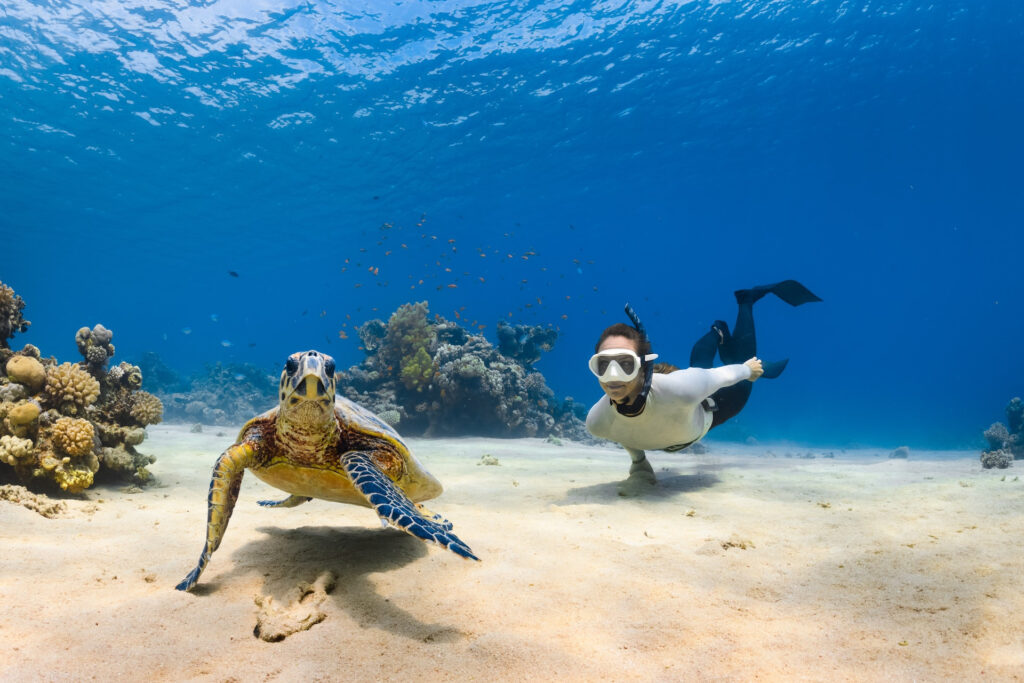
ECOLOGY: The study of how living things interact with each other and with their environment A species is a group of organisms that are physically similar and can reproduce with each other to produce fertile offspring. One member of a species is a organism. All the members of one species in a particular area are referred […]
(par 1.3.2) A System and its Surroundings
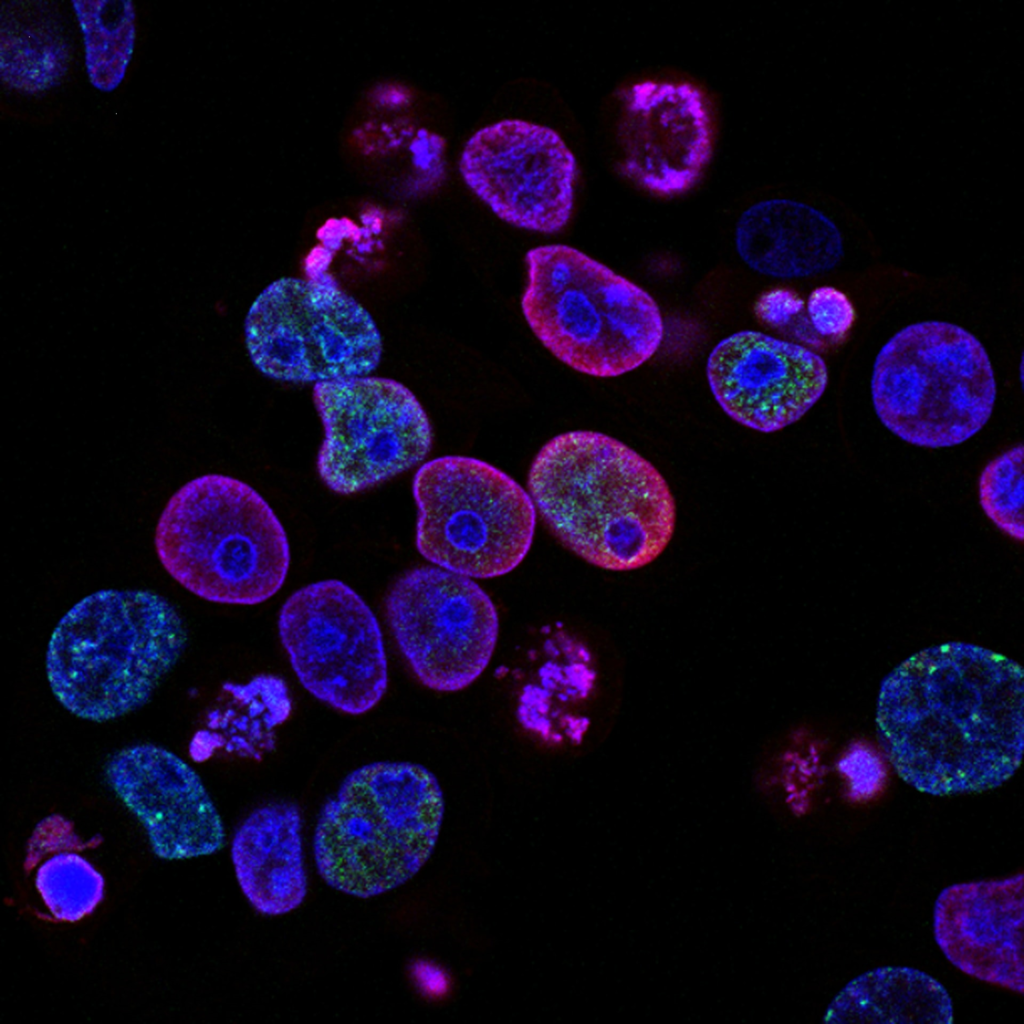
A System and its Surroundings A System and Its Surroundings http://chemwiki.ucdavis.edu/Physical_Chemistry/Thermodynamics/A_System_And_Its_Surroundings In thermodynamics, it is imperative to define a system and its surroundings because that concept becomes the basis for many types of descriptions and calculations. Introduction A primary goal of the study of thermochemistry is to determine the quantity of heat exchanged between a system and […]
(par 2.1 ) Ecosystems and habitats
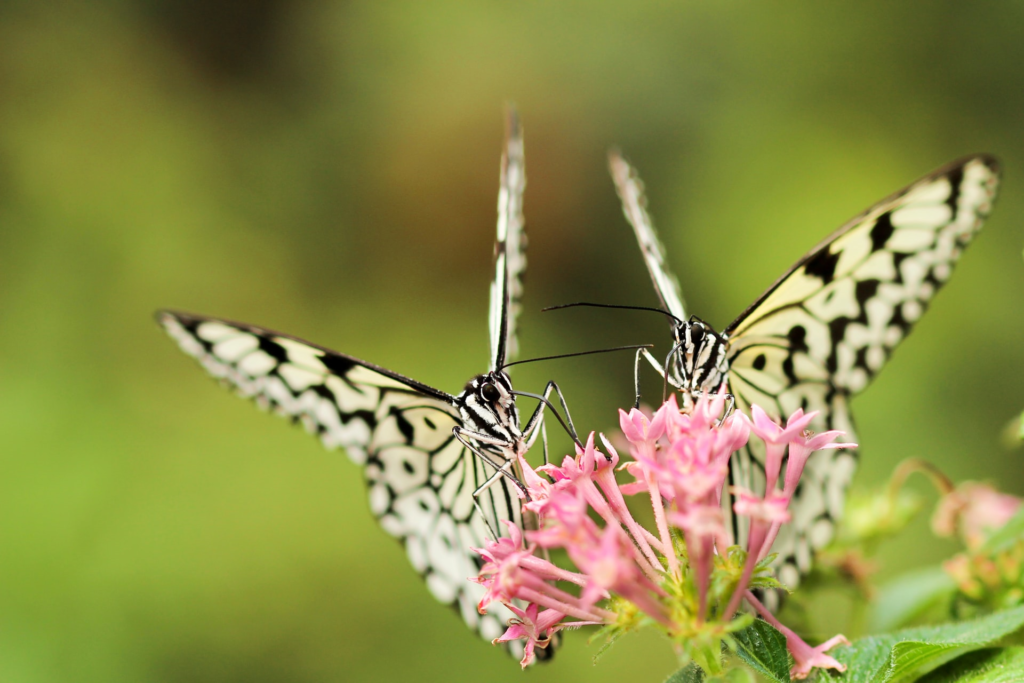
Ecosystems and habitats https://www.le.ac.uk/se/centres/sci/selfstudy/eco2.htm The thin layer of the Earth’s surface where living things are able to survive is called the biosphere. It is about 20km thick, from the bottom of the oceans high up into the atmosphere. Physical conditions outside the biosphere are too extreme to support life. Ecosystems are discrete, recognisable, self-sustaining units within the biosphere, […]