
(par 7.4.2.2.1.10) Great Pacific Garbage Patch – (taken from Wikipedia)
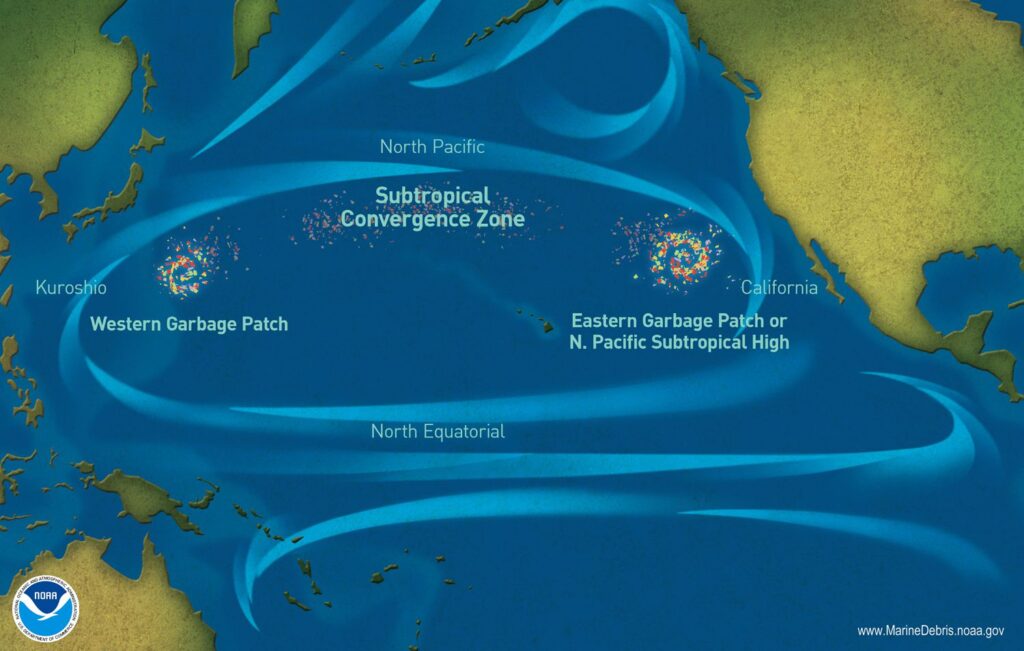
Great Pacific garbage patch http://en.wikipedia.org/wiki/Great_Pacific_Garbage_Patch From Wikipedia, the free encyclopedia The area of increased plastic particles is located within the North Pacific Gyre, one of the five major oceanic gyres. The Great Pacific garbage patch, also described as the Pacific trash vortex, is a gyre of marine debris particles in the central North Pacific Ocean located roughly between 135°W to 155°W and 35°N and 42°N.[1] The patch extends over an indeterminate area, with […]
(par 7.4.2.2.1.10) Global Initiative Tackles Marine Litter to Clean Up the World’s Oceans
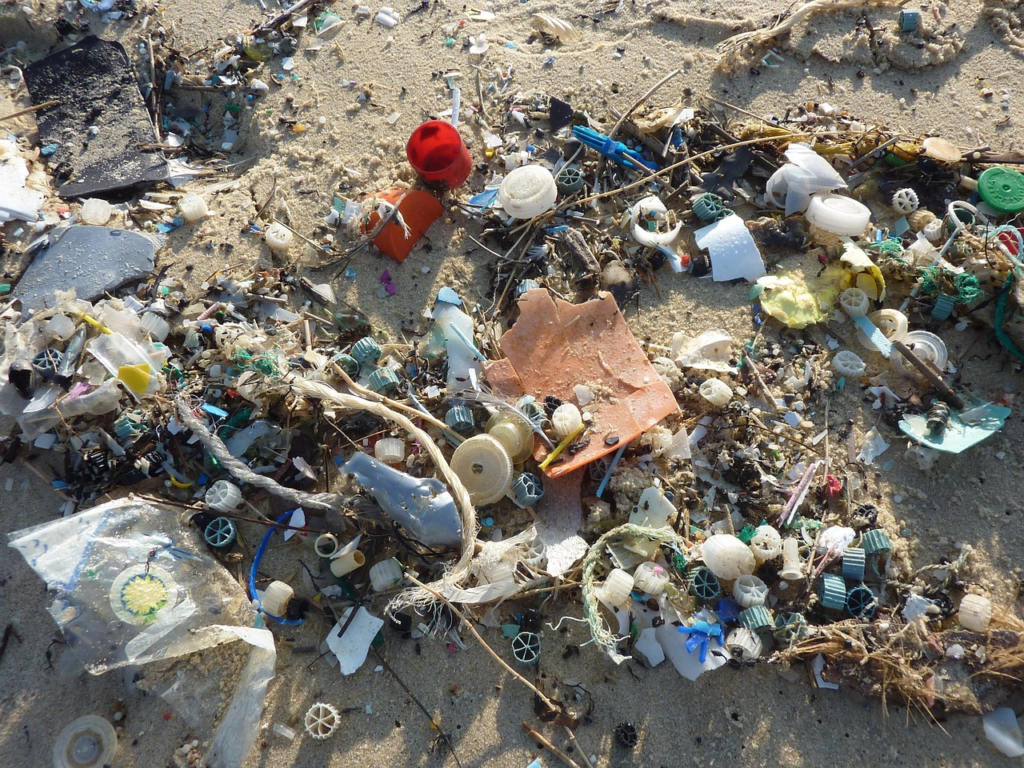
Global initiative tackles marine litter to clean up the world’s oceans https://www.fao.org/news/story/en/item/1393148/icode/#:~:text=The%20GloLitter%20project%20will%20help,coastal%20and%20global%20marine%20resources 30 countries partner with FAO and International Maritime Organization The Food and Agriculture Organization of the United Nations (FAO) has partnered with the International Maritime Organization (IMO) and 30 countries in a major initiative to tackle marine litter and clean up the world’s […]
(par 7.4.2.2.1.10) Fish failing to adapt to rising carbon dioxide levels in ocean
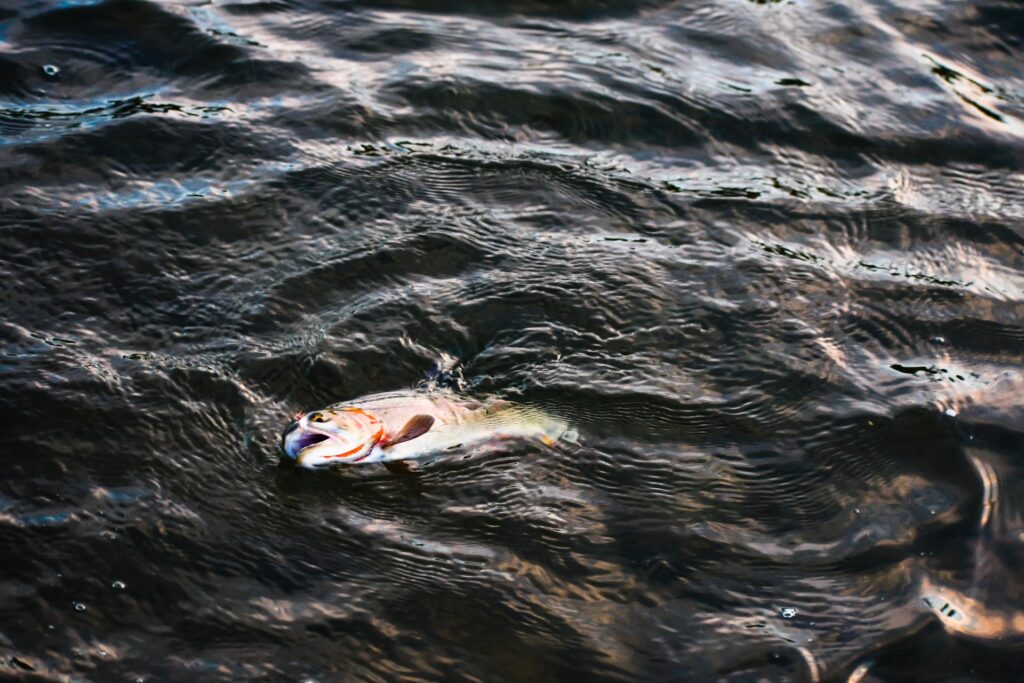
ish failing to adapt to rising carbon dioxide levels in ocean http://www.theguardian.com/environment/2014/oct/06/fish-failing-to-adapt-to-rising-carbon-dioxide-levels-in-ocean Spiny damselfish study suggests it would take at least several generations for fish to start coping with climate change theguardian.com Oliver Milman Rising carbon dioxide levels in oceans adversely change the behaviour of fish through generations, raising the possibility that marine species may […]