
(par 7.4.2.2.1. 4) Thermal pollution (from News 24)
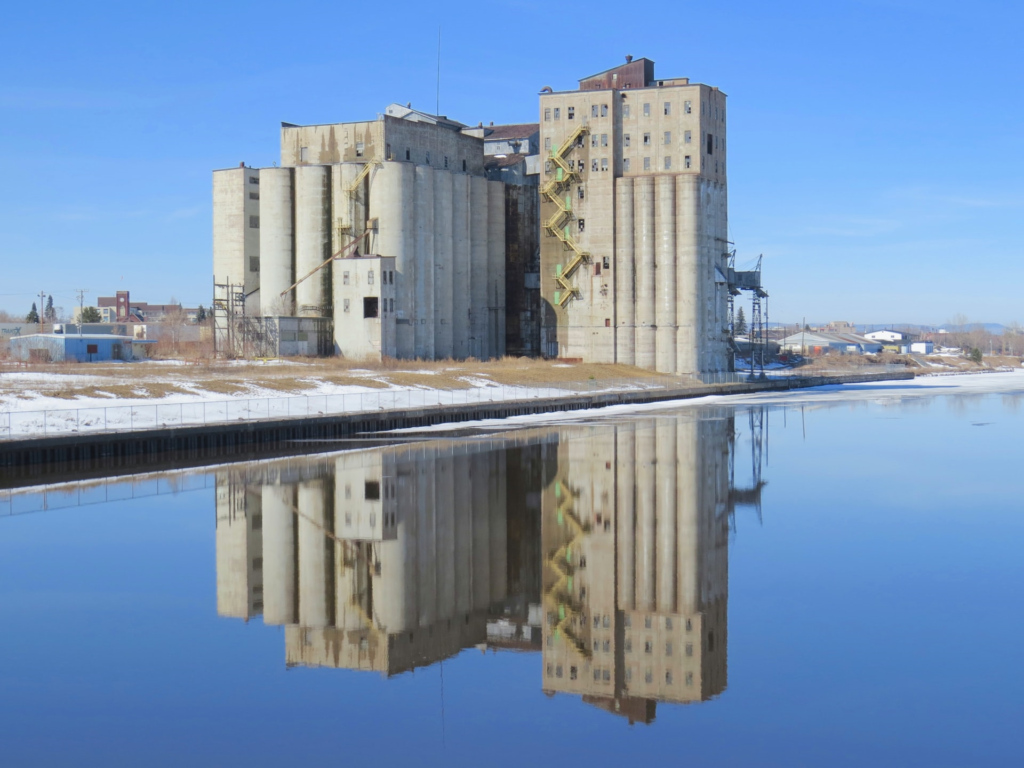
Thermal pollution http://www.health24.com/Lifestyle/Environmental-health/Faqs/Thermal-pollution-20130312 News 24 – 28 August 2011 Thermal pollution is the change in the water temperatures of lakes, rivers, and oceans caused by made-man industries or practices. These temperature changes may adversely affect ecosystems by contributing to the decline of wildlife populations and habitat destruction. Any practice that affects the equilibrium of an […]
(par 7.4.2.2.1. 3) Managing Agricultural Waste
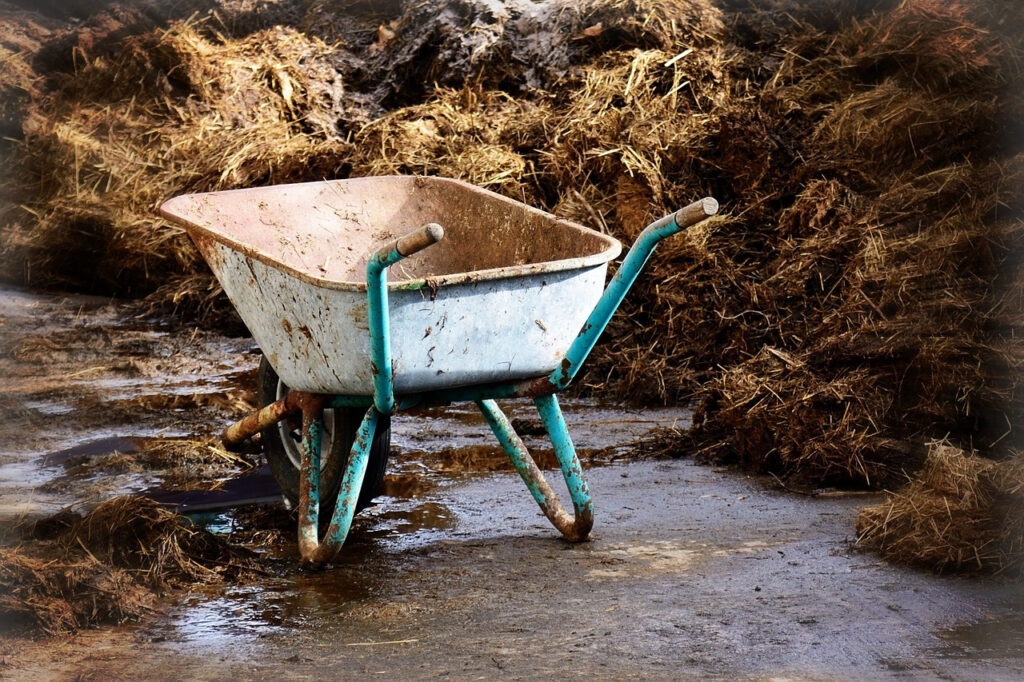
Managing Agricultural Waste http://12.000.scripts.mit.edu/mission2017/agriculture/ Background As the global population increases, the demand for food does as well. However, current agricultural practices damage the environment through four large sources of pollution. First, fertilizer runoff, where rainwater carries with it excess fertilizers into lakes and rivers, causes eutrophication (the overgrowth of algae that deplete bodies of water […]
(par 7.4.2.2.1. 3) Eutrophication (taken from Wikipedia)
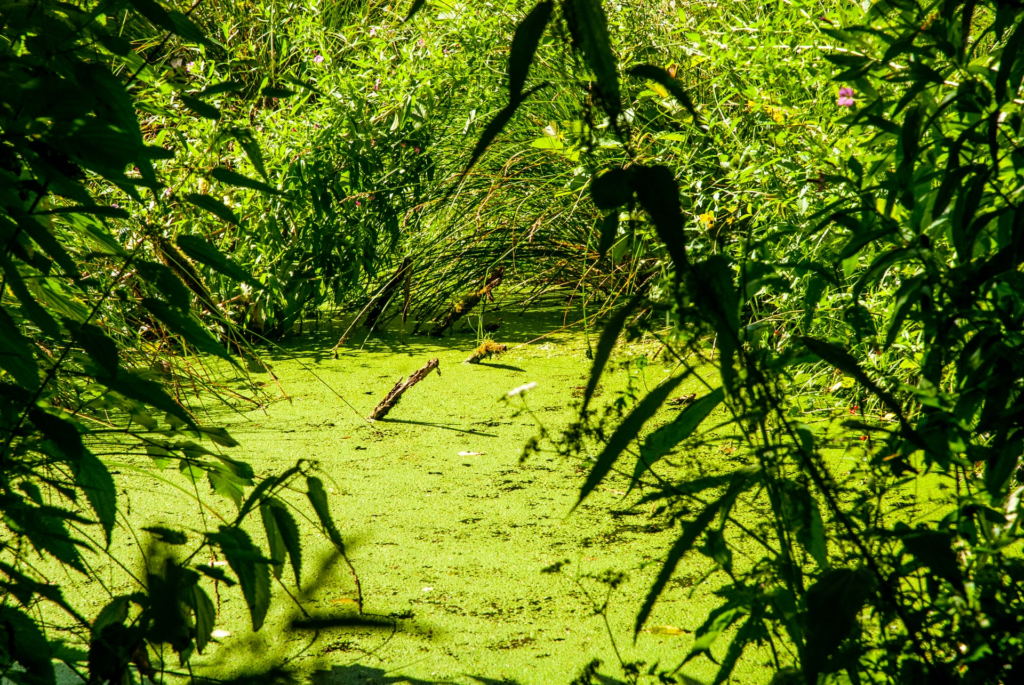
Eutrophication http://en.wikipedia.org/wiki/Eutrophication From Wikipedia, the free encyclopedia The eutrophication of the Potomac River is evident from the bright green water, caused by a dense bloom ofcyanobacteria. Eutrophication (Greek: eutrophia—healthy, adequate nutrition, development; German: Eutrophie) or more precisely hypertrophication, is the ecosystem response to the addition of artificial or natural substances, mainly phosphates, through detergents, fertilizers, or sewage, to an aquatic system.[1] One example is the “bloom” or […]