
(par 7.4.2.2.1. 2) Metal Toxicity (Heavy Metals) (taken from Wikipedia)
Metal toxicity http://en.wikipedia.org/wiki/Toxic_metal From Wikipedia, the free encyclopedia Metal toxicity or metal poisoning is the toxic effect of certain metals in certain forms and doses on life. Some metals are toxic when they form poisonous soluble compounds. Certain metals have no biological role, i.e. are not essential minerals, or are toxic when in a certain form.[1] In the case of lead, any measurable amount may […]
(par 7.4.2.2.1. 2) Mercury in fish (taken from Wikipedia)
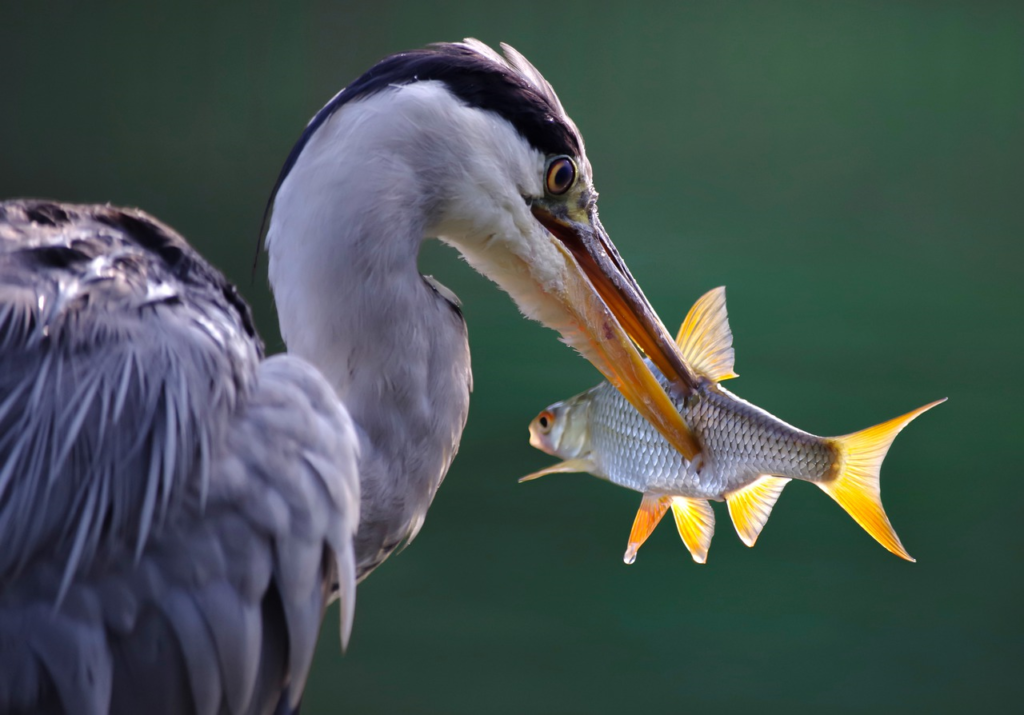
Mercury in fish From Wikipedia, the free encyclopedia https://en.wikipedia.org/wiki/Mercury_in_fish Nearby anthropogenic sources, such as coal burning and mining of iron, can contaminate water sources with methylmercury, which is efficiently absorbed in the bodies of fish. Through the process of biomagnification, mercury levels in each successive predatory stage increase. Fish and shellfish concentrate mercury in their bodies, often in the form of methylmercury, a […]
(par 7.4.2.2.1. 2) DTT (dichlorodiphenyltrichloroethane) – WWF fact sheet

DTT (dichlorodiphenyltrichloroethane) – WWF fact sheet Chemical Characteristics: DDT is an organochlorine compound that persists in the environment and bioaccumulates in human and animal tissue. DDT was recognized as a effective insecticide in the 1930s. Production and Use: DDT currently is produced in only two countries—China and India. India’s production capacity is less than 10,000 […]