
(par 7.3 ) Habitat fragmentation (taken from Wikipedia)
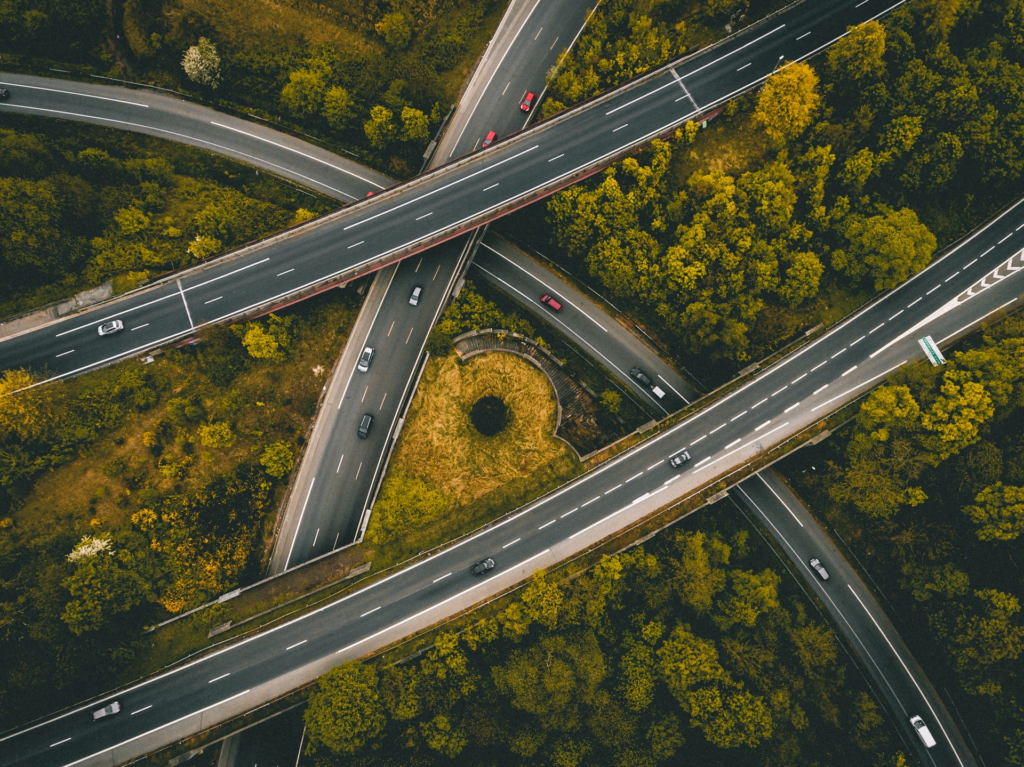
Habitat fragmentation http://en.wikipedia.org/wiki/Habitat_fragmentation From Wikipedia, the free encyclopedia Habitat fragmentation describes the emergence of discontinuities (fragmentation) in an organism’s preferred environment (habitat), causing population fragmentation. Habitat fragmentation can be caused by geological processes that slowly alter the layout of the physical environment[1] (suspected of being one of the major causes of speciation[1]), or by human activity such as land conversion, which can alter the environment much […]
(par 7.3 ) Habitat destruction (from Wikipedia)
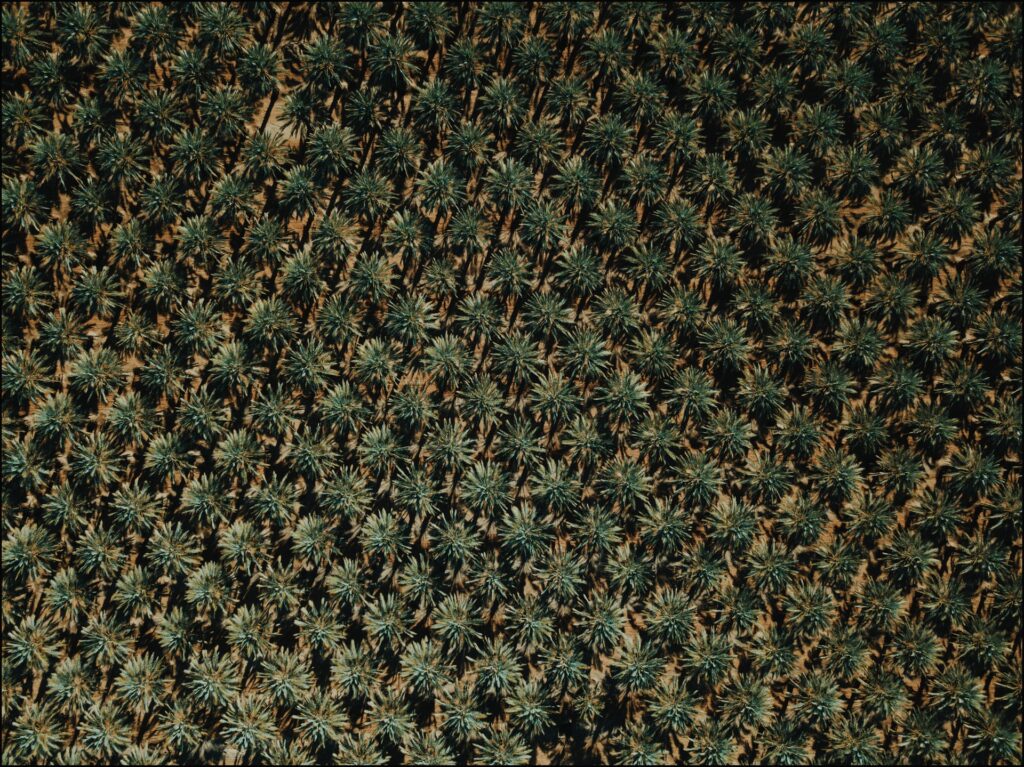
Habitat destruction http://en.wikipedia.org/wiki/Habitat_destruction Habitat destruction is the process in which natural habitat is rendered functionally unable to support the species present. In this process, the organisms that previously used the site are displaced or destroyed, reducing biodiversity.[1] Habitat destruction by human activity is mainly for the purpose of harvesting natural resources for industry production and urbanization. Clearing habitats for agriculture is the principal cause of […]
(par 7.3 ) Empty forest (from Wikipedia)
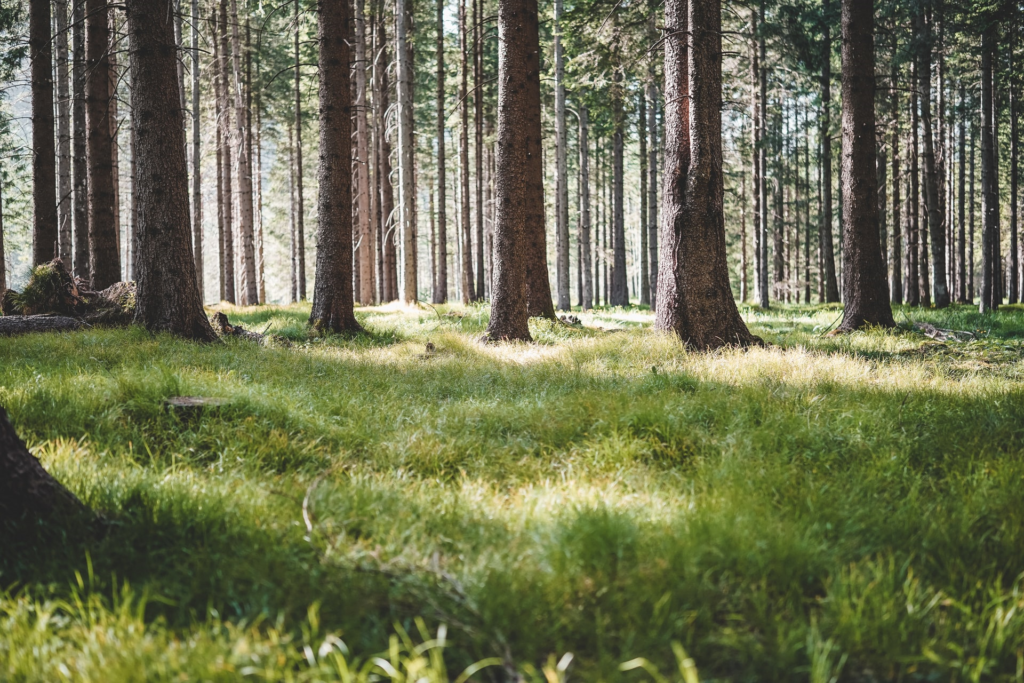
Empty forest http://en.wikipedia.org/wiki/Empty_forest From Wikipedia, the free encyclopedia Empty forest is a term coined by Kent H. Redford in his 1992 article “The Empty Forest” published in BioScience. Empty forest refers to ecosystems that is void of large mammals. Empty forests often have large, fully grown trees, but lack large mammals as a result of human impact. Empty forests are characterized […]