
(par 8.4.2. 4) Human-elephant coexistence in Zimbabwe “We are part of them; they are part of us”
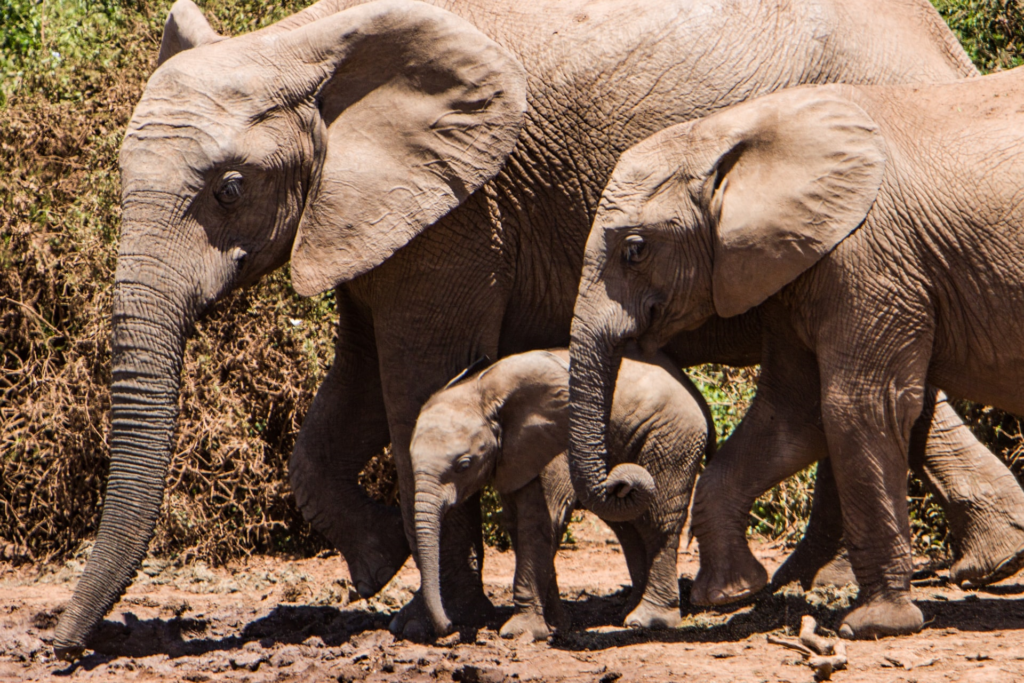
Human-elephant coexistence in Zimbabwe: “We are part of them; they are part of us” https://hsrc.ac.za/news/impact-engagement/human-elephant-coexistence-in-zimbabwe-we-are-part-of-them-they-are-part-of-us/ Author: Andrea Teagle, a science writer in the HSRC’s Impact Centre ateagle@hsrc.ac.za Researcher: Dr Wilfred Lunga, a senior research specialist with the HSRC’s Developmental, Capable and Ethical State research division wlunga@hsrc.ac.za Acknowledgments: The Review thanks Antonio Erasmus, Wilfred Lunga, Learnmore Nyoni, and Jephias Matunhu of Midlands State […]
(par 8.4.2. 4) South African National symbols include animals and plants
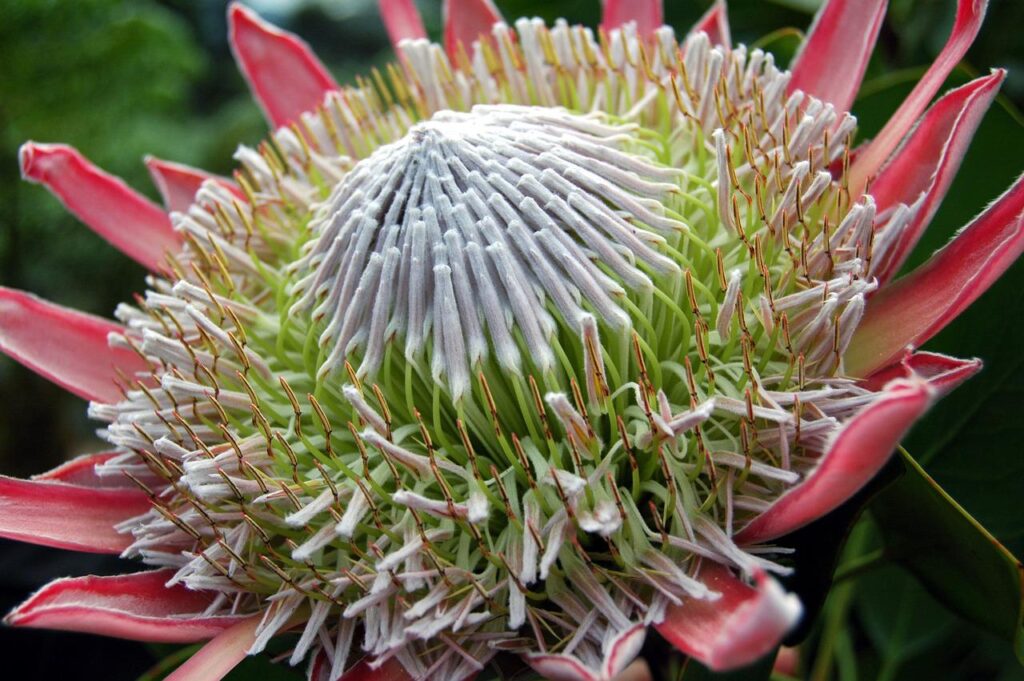
South African national symbolsinclude animals and plants https://www.south-africa-tours-and-travel.com/south-african-national-symbols.html#The%20Springbok%20-%20(national%20animal) The most well known one is the jumping Springbok antelope, worldwide renown as the emblem of the South African national rugby team and many other South African sports, institutions, products etc. The Springbok (Antidorcas marsupialis) gets its common name from its characteristic jumping display, “pronk” in Afrikaans. […]
(par 8.4.2. 3) Scientists Want to Improve Photosynthesis, but is That a Good Idea
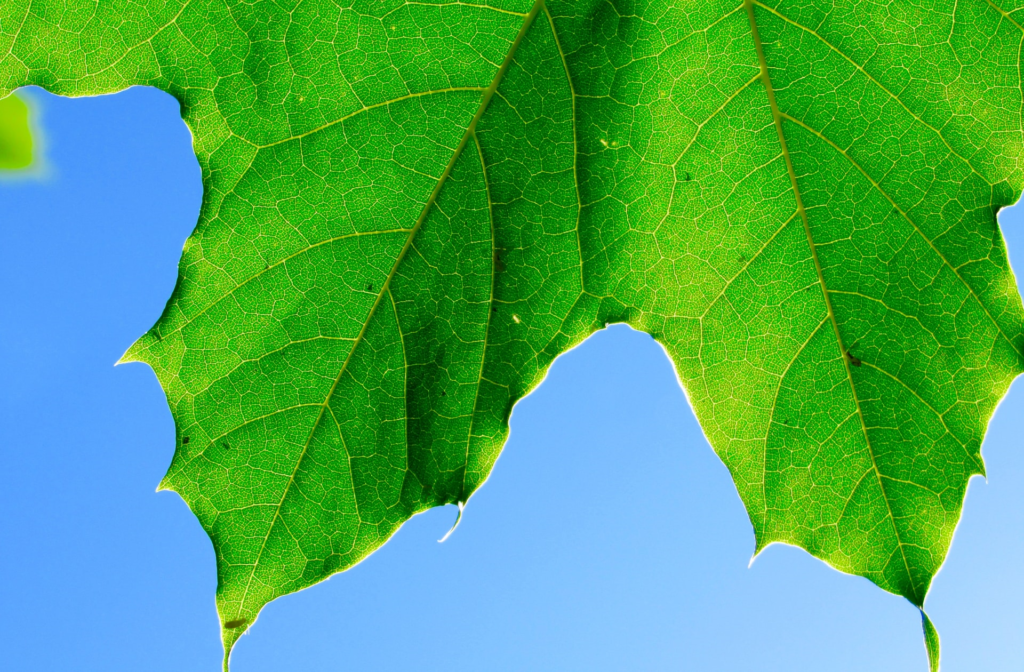
Scientists Want to Improve Photosynthesis, but is That a Good Idea? http://www.esalq.usp.br/lepse/imgs/conteudo_thumb/Scientists-Want-to-Improve-Photosynthesis-but-is-That-a-Good-Idea.pdf A team of experts has discovered how to boost the efficiency of all plants, improving upon the age-old process of photosynthesis. But Some critics are wary of this discovery, essentially standing by the adage, “If it ain’t broke, don’t fix it.” A team […]