
(par 3. 9 ) Succession: A Closer Look

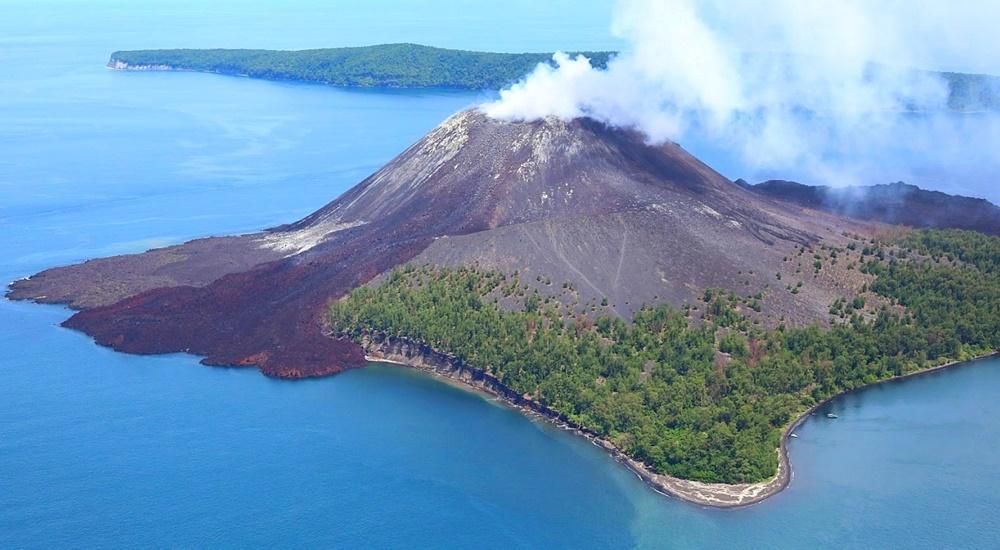
Succession: A Closer Look http://www.nature.com/scitable/knowledge/library/succession-a-closer-look-13256638 By: Sarah M. Emery (Department of Biology, University of Louisville) © 2010 Nature Education Citation: Emery, S. (2010) Succession: A Closer Look. Nature Education Knowledge 3(10):45 What do volcanoes, glaciers, sand dunes, storms, agriculture, and fire have in common? They all initiate the process of succession in communities. Succession refers to a directional, predictable change in community structure over time (Grime […]
(par 3. 9 ) Ecological Homeostasis
Ecological Homeostasis http://en.wikipedia.org/wiki/Homeostasis The concept of homeostasis is central to the topic of Ecological Stoichiometry. There, it refers to the relationship between the chemical composition of an organism and the chemical composition of the nutrients it consumes. Stoichiometric homeostasis helps explain nutrient recycling and population dynamics. Throughout history, ecological succession was seen as having a stable end-stage called […]
(par 3. 9 ) Ecological succession

http://en.wikipedia.org/wiki/Ecological_succession From Wikipedia, the free encyclopedia Succession after disturbance: a boreal forest one year (left) and two years (right) after a wildfire. Ecological succession is the observed process of change in the species structure of an ecological community over time. The time scale can be decades (for example, after a wildfire), or even millions of years after a mass extinction.[1] The community begins with relatively […]