
(par 3. 7.3) Symbiotic relationships (1)
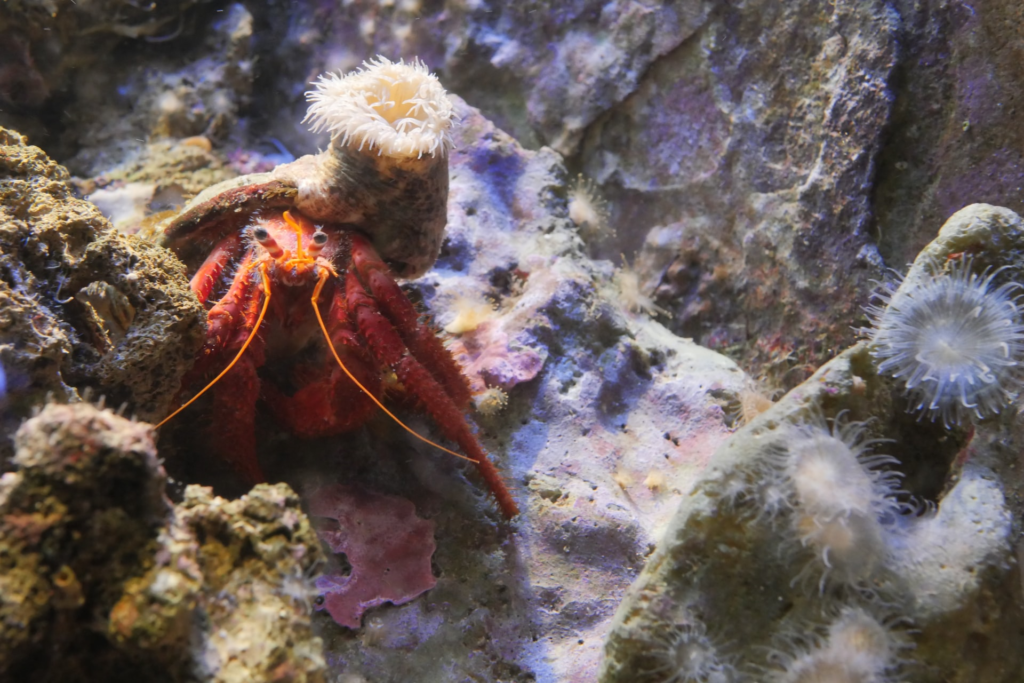
http://www.ms-starship.com/sciencenew/symbiosis.htm Dave Abbott Dip. Marine Studies [NZ] May 2000.Symbiosis Symbiosis basically means ‘living together’ and in the context of marine biology refers to a close relationship between two species, for example the Clown fish and the anemone. These symbiotic interrelationships can be divided into three main categories; Mutualism, when both species involved benefit from the […]
(par 3. 7.3) Mighty Mutualisms: The Nature of Plant-pollinator Interactions
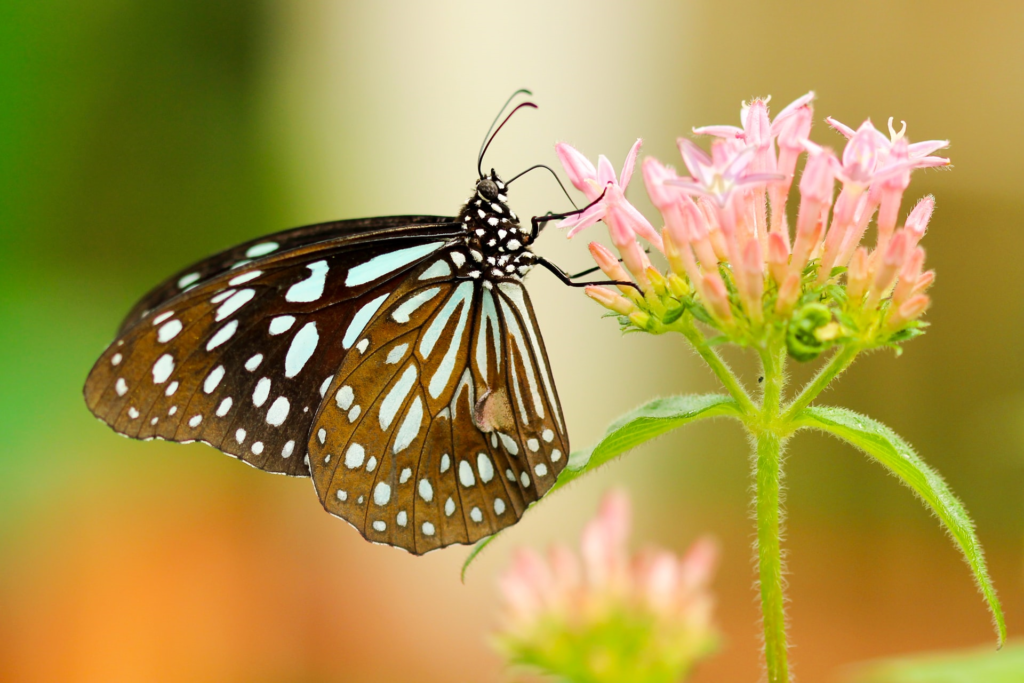
http://www.nature.com/scitable/knowledge/library/mighty-mutualisms-the-nature-of-plant-pollinator-13235427 By: Carol L. Landry (Department of Evolution, Ecology, and Organismal Biology, The Ohio State University) © 2010 Nature Education Citation: Landry, C. (2010) Mighty Mutualisms: The Nature of Plant-pollinator Interactions. Nature Education Knowledge 3(10):37 Mutualistic interactions are mutually beneficial species interactions. Plant-pollinator mutualisms are particularly important, and involve nearly 170,000 plant and 200,000 animal species. Mutualistic interactions, or mutualisms, are ubiquitous in nature. This type […]
(par 3. 7.2) Forms of cannabalism & parasitism
1 Cronyism http://en.wikipedia.org/wiki/Cronyism Cronyism is partiality to long-standing friends, especially by appointing them to positions of authority, regardless of their qualifications. Hence, cronyism is contrary in practice and principle to meritocracy. Cronyism exists when the appointer and the beneficiary are in social contact; often, the appointer is inadequate to hold his or her own job […]