
(par 3. 6 ) Biocapacity
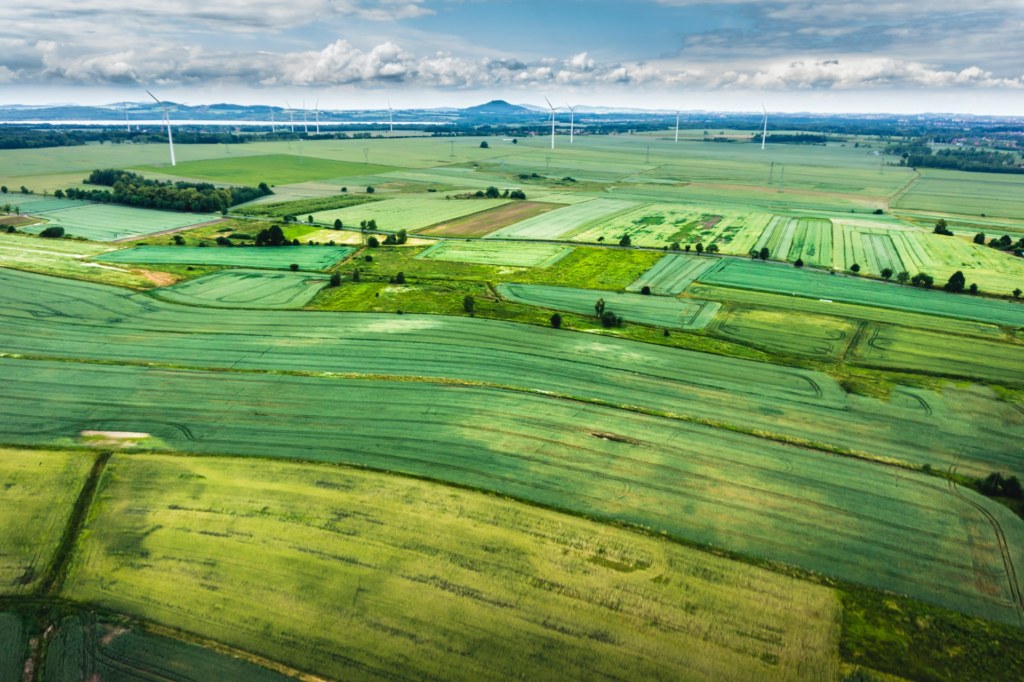
Biocapacity http://en.wikipedia.org/wiki/Biocapacity From Wikipedia, the free encyclopedia Biocapacity stands for biological capacity. The biological capacity of an ecosystem is dependent on its production of useful biological materials and in return the absorption of wastes like carbon dioxide emissions.[1][2] “Useful biological materials” are defined as those demanded by the human economy. Biological capacity available per person (or per capita): There […]
(par 3. 6 ) Grazing capacity – Calculation of grazing capacity and browse capacity for game species
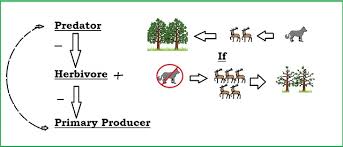
http://www.wildliferanching.com/content/grazing-capacity-game G.N. Smit Department of Animal, Wildlife and Grassland Sciences, University of the Free State, P.O. Box 339, Bloemfontein 9300 Introduction The basic requirement of management systems for sustainable game production from veld is to balance the stocking rate of the various game species with the grazing and browsing capacity of the veld. The grazing capacity […]
(par 3. 5.2) Secondary Production

Secondary production Secondary production is the generation of biomass of heterotrophic (consumer) organisms in a system. This is driven by the transfer of organic material between trophic levels, and represents the quantity of new tissue created through the use of assimilated food. Secondary production is sometimes defined to only include consumption of primary producers by herbivorous consumers[2] (with tertiary production referring to carnivorous consumers),[3] but is more commonly […]