
(par 5.2.3 ) Human Impact on the Environment

Human Impact on the Environment & Environmental Impact on Humans http://www.fewresources.org/ecological-footprints–human-impact-factors.html Human beings have an enormous impact on the natural environment, and ultimately on each other. The way we chose to house, clothe, shelter, and meet the needs for vital resources such as food, energy, and water, not only affect the long-term availability of those […]
(par 5.2.2.1) Waste hierarchy (taken from Wikipedia)
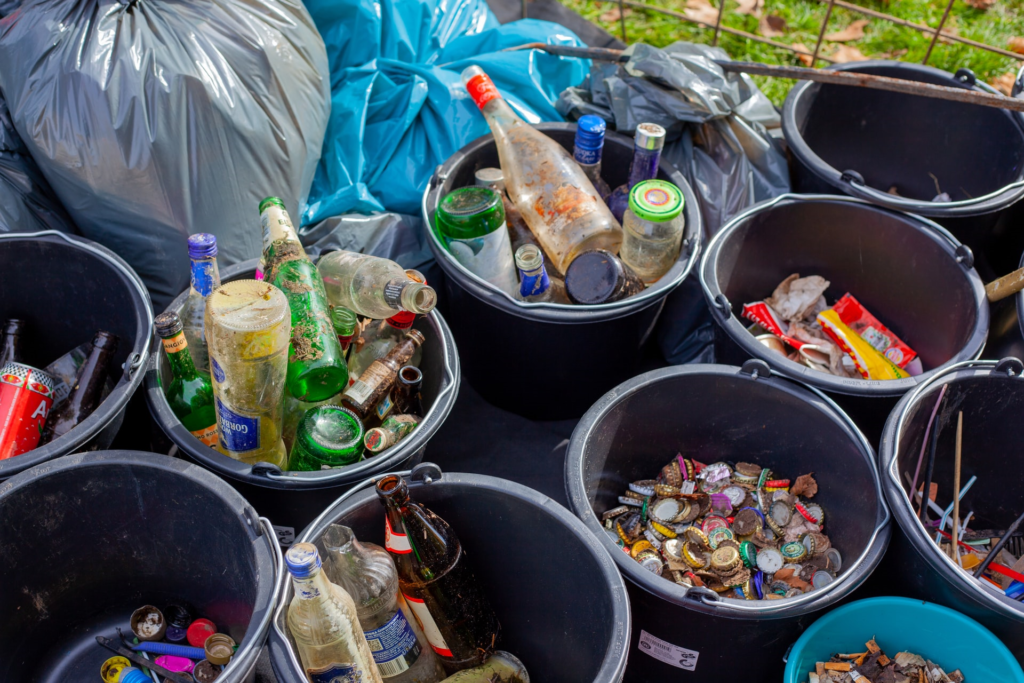
Waste hierarchy https://en.wikipedia.org/wiki/Waste_hierarchy From Wikipedia, the free encyclopedia Waste hierarchy is a tool used in the evaluation of processes that protect the environment alongside resource and energy consumption to most favourable to least favourable actions.[1] The hierarchy establishes preferred program priorities based on sustainability.[1] To be sustainable, waste management cannot be solved only with technical end-of-pipe solutions and an integrated approach is necessary.[2] The waste […]
(par 5.2.2.1) Planned Obsolescene – Resourse Depletion (taken from Wikipedia)
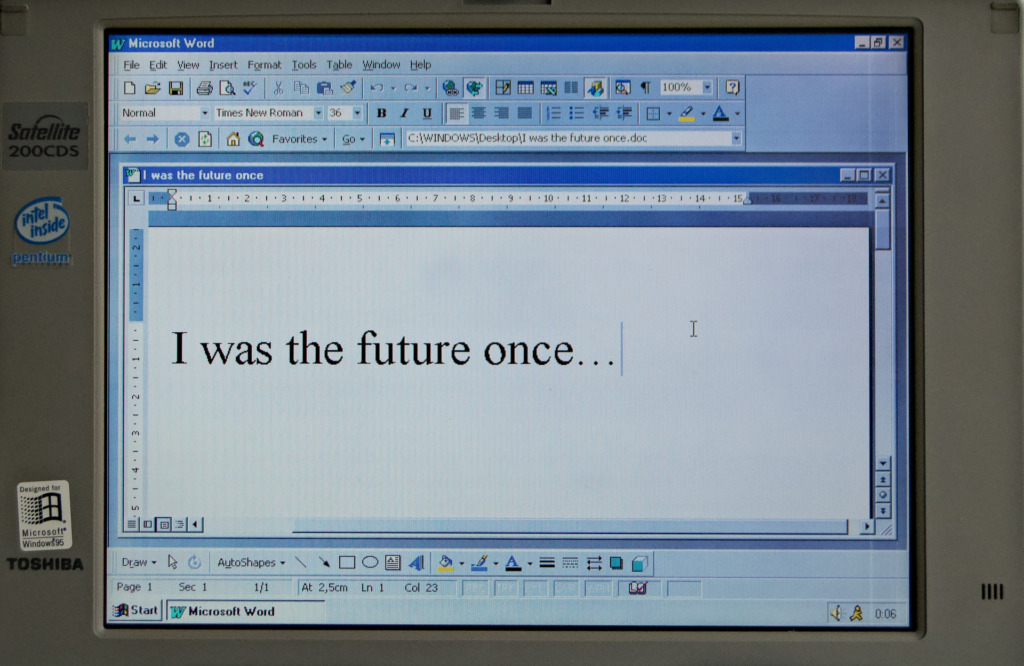
Planned obsolescence http://en.wikipedia.org/wiki/Planned_obsolescence From Wikipedia, the free encyclopedia Planned obsolescence or built-in obsolescence[1] in industrial design is a policy of planning or designing a product with an artificially limited useful life, so it will become obsolete, that is, unfashionable or no longer functional after a certain period of time.[2]The rationale behind the strategy is to generate long-term sales volume by reducing […]