
(par 9.7.2.3) Improved Soil Management for Land Restoration in sub-Saharan Africa
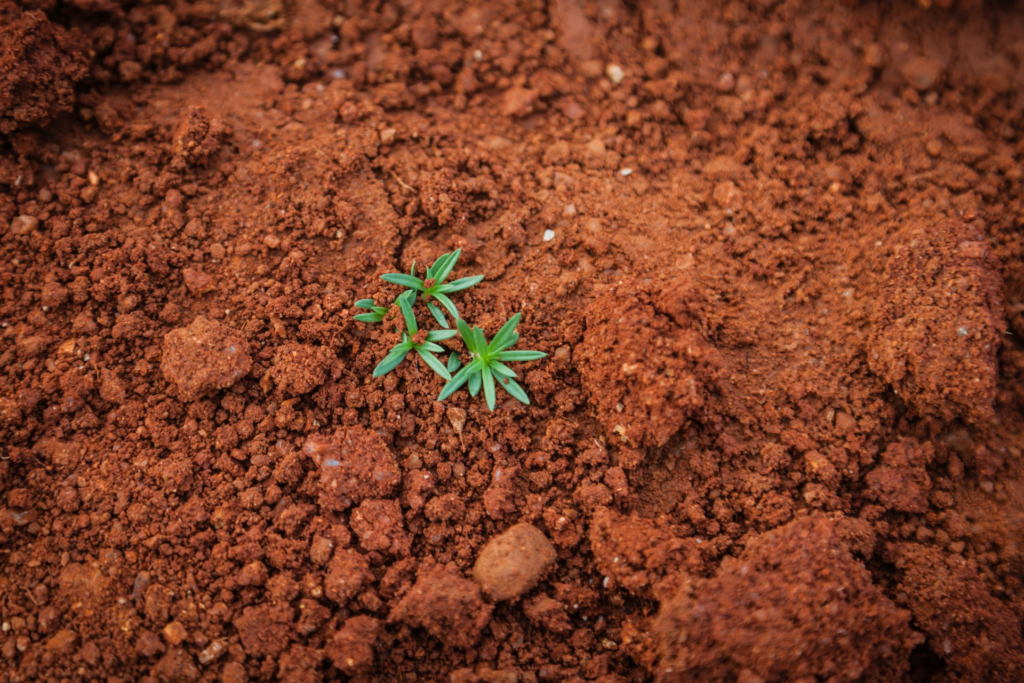
Africa: ICRAF Presents the Role of Evidence and Improved Soil Management for Land Restoration in sub-Saharan Africa http://allafrica.com/stories/201707110469.html By Susan Onyango, World Agroforestry Centre (Nairobi) Approximately 70% of Africa’s population depends on its agriculture-based economy for their livelihoods, underscoring the importance of soil to the sector. Fertile soils across the continent are under threat, however, due […]
(par 9.7.2.2) Ambient – outdoor – air pollution

Ambient (outdoor) air pollution https://www.who.int/news-room/fact-sheets/detail/ambient-(outdoor)-air-quality-and-health Key facts Air pollution is one of the greatest environmental risk to health. By reducing air pollution levels, countries can reduce the burden of disease from stroke, heart disease, lung cancer, and both chronic and acute respiratory diseases, including asthma. In 2019, 99% of the world’s population was living in […]
(par 9.7.2.2) Southern African Development Community – Air Quality

Southern African Development Community – Air Quality http://www.sadc.int/issues/environment-sustainable-development/air-quality/ The main sources of air pollution in southern Africa include industry (thermal power stations, smelters, cement factories, chemical factories), forest /savannah fires, biomass burning, (use of firewood and charcoal), waste burning and transportation emissions. Air pollution is linked to a number of human health and environmental impacts including respiratory diseases, heavy metals poisoning, […]