
(par 7.5.1) Recycling (taken from Wikipedia)
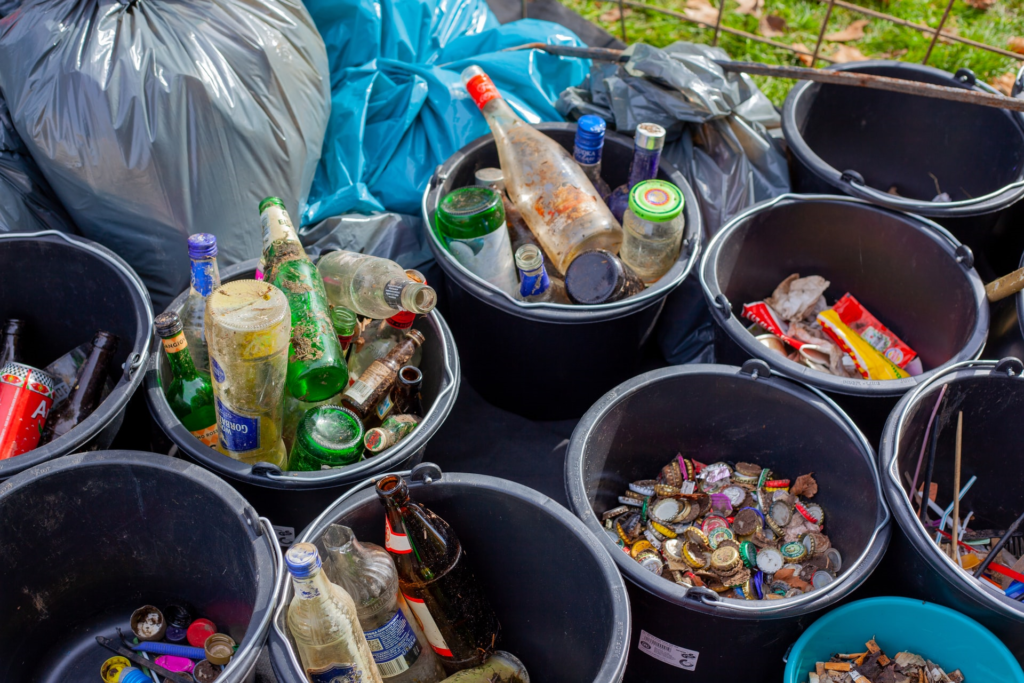
Recycling http://en.wikipedia.org/wiki/Recycling From Wikipedia, the free encyclopedia International recycling symbol Recycling is a process to change waste materials into new products to prevent waste of potentially useful materials, reduce the consumption of fresh raw materials, reduce energyusage, reduce air pollution (from incineration) and water pollution (from landfilling) by reducing the need for “conventional” waste disposal, and lower greenhouse gas emissions as compared to […]
(par 7.5.2) Polluter Pays Principle (taken from Wikipedia)
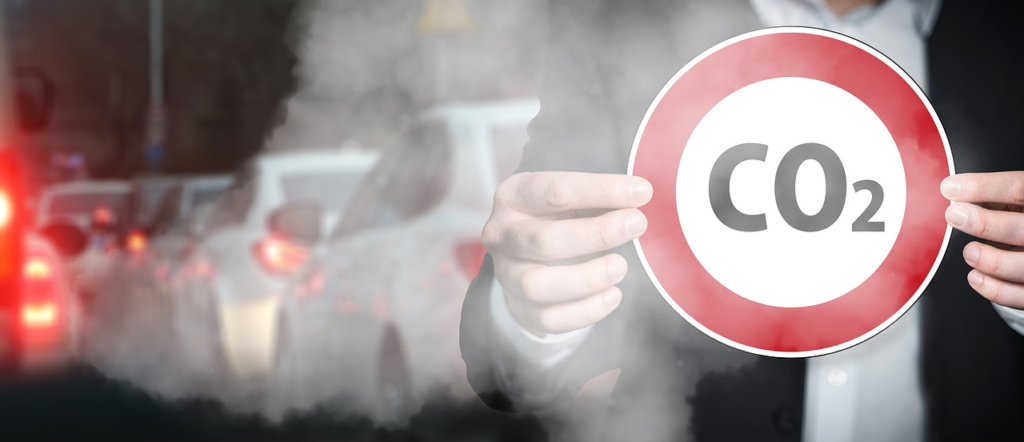
Polluter pays principle http://en.wikipedia.org/wiki/Polluter_pays_principle From Wikipedia, the free encyclopedia In environmental law, the polluter pays principle is enacted to make the party responsible for producing pollution responsible for paying for the damage done to the natural environment. It is regarded as a regional custom because of the strong support it has received in most Organisation for Economic Co-operation and Development (OECD) and European Community (EC) countries. The […]
(par 7.6) Good for the economy, bad for the environment

Good for the economy, bad for the environment? http://www.thehindu.com/sunday-anchor/good-for-the-economy-bad-for-the-environment/article6668318.ece Vidya Venkat Irrespective of fuel costs, investing in a robust public transport system alone can save the day Whenever news about a fall in oil prices hits the headline, the first to cheer are car users. “I can save up to Rs. 2,700 every month now. […]