
par 7.4.2.1.1 Ambient outdoor air pollution (from the WHO)

Ambient (outdoor) air pollution (from the World Health Organization) https://www.who.int/news-room/fact-sheets/detail/ambient-(outdoor)-air-quality-and-health Key facts Air pollution is one of the greatest environmental risk to health. By reducing air pollution levels, countries can reduce the burden of disease from stroke, heart disease, lung cancer, and both chronic and acute respiratory diseases, including asthma. In 2019, 99% of the […]
(par 7.4.2.1 ) What is air pollution?
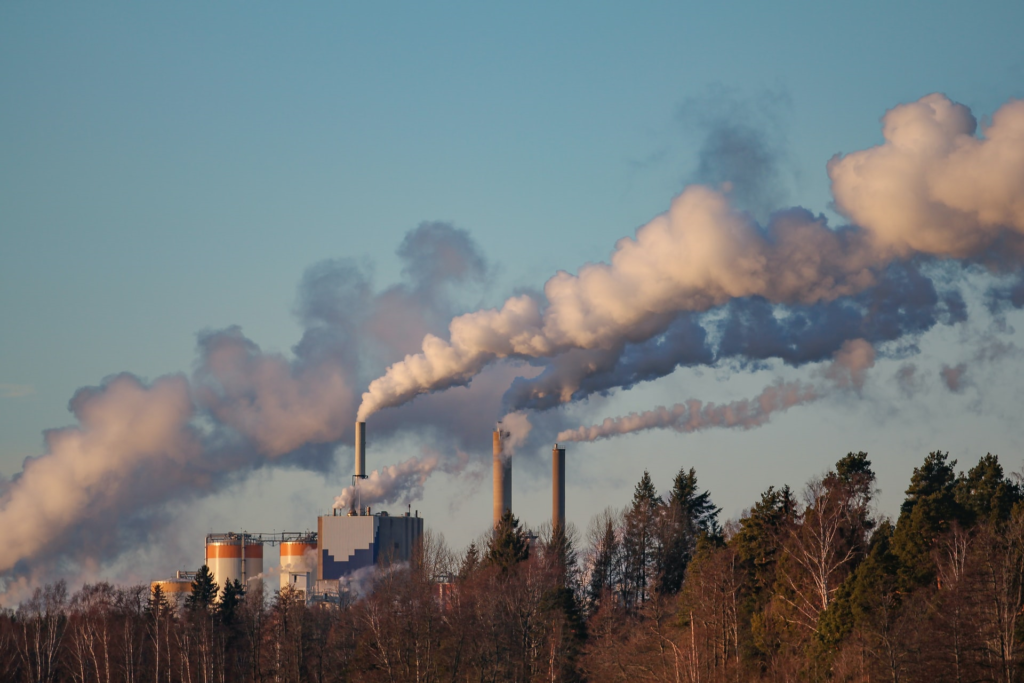
What is air pollution? http://eschooltoday.com/pollution/air-pollution/what-is-air-pollution.html Air pollution (say: po-loo-shun) occurs when gases, dust particles, fumes (or smoke) or odour are introduced into the atmosphere in a way that makes it harmful to humans, animals and plant. This is because the air becomes dirty (contaminated or unclean). The Earth is surrounded by a blanket of air […]
(par 7.4.2.1 ) Global dimming – from Wikipedia
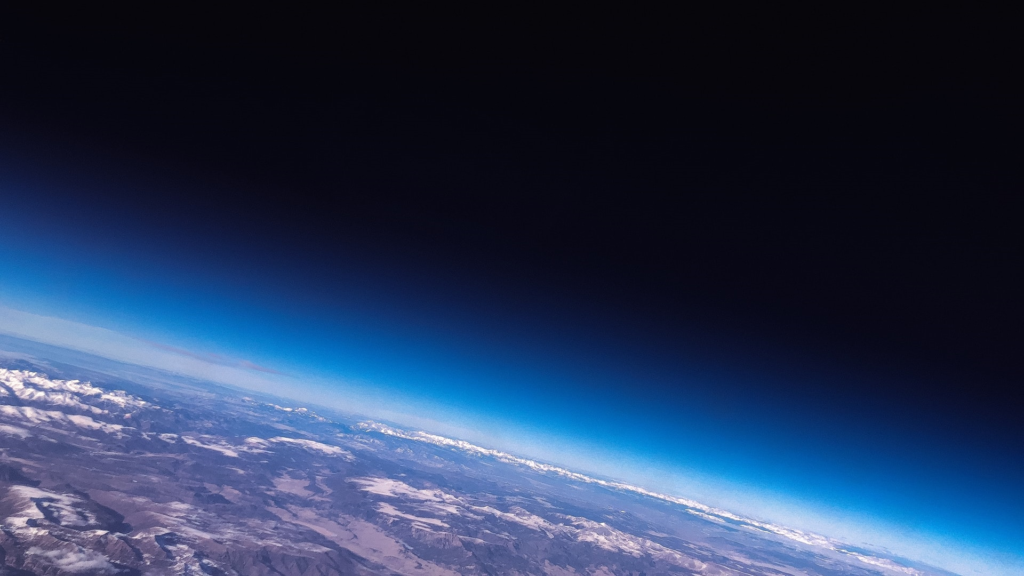
Global dimming https://en.wikipedia.org/wiki/Global_dimming From Wikipedia, the free encyclopedia Dozens of fires burning on the surface (red dots) and a thick pall of smoke and haze (greyish pixels) filling the skies overhead in Eastern China. Smoke, pollution and other air particles are linked to global dimming. Photo taken by MODIS aboard NASA’s Aqua satellite The first systematic measurements of global […]