
(par 7.3.3) Soil retrogression and degradation (taken from Wikipedia)
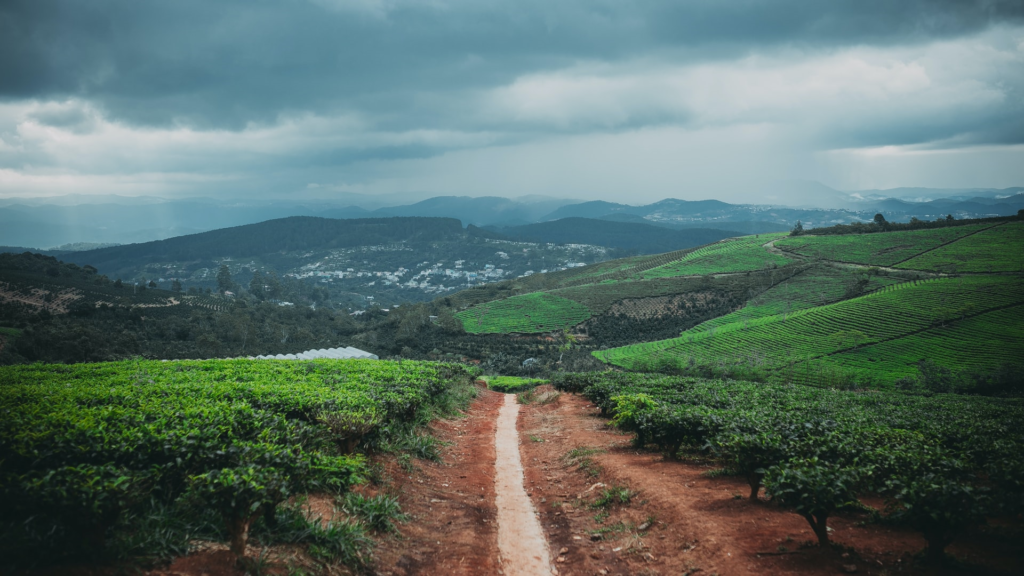
Soil retrogression and degradation http://en.wikipedia.org/wiki/Soil_degradation From Wikipedia, the free encyclopedia Soil retrogression and degradation are two regressive evolution processes associated with the loss of equilibrium of a stable soil. Retrogression is primarily due to soil erosion and corresponds to a phenomenon where succession reverts the land to its natural physical state. Degradation is an evolution, different from natural evolution, […]
(par 7.3.3) Erosion and Sedimentation
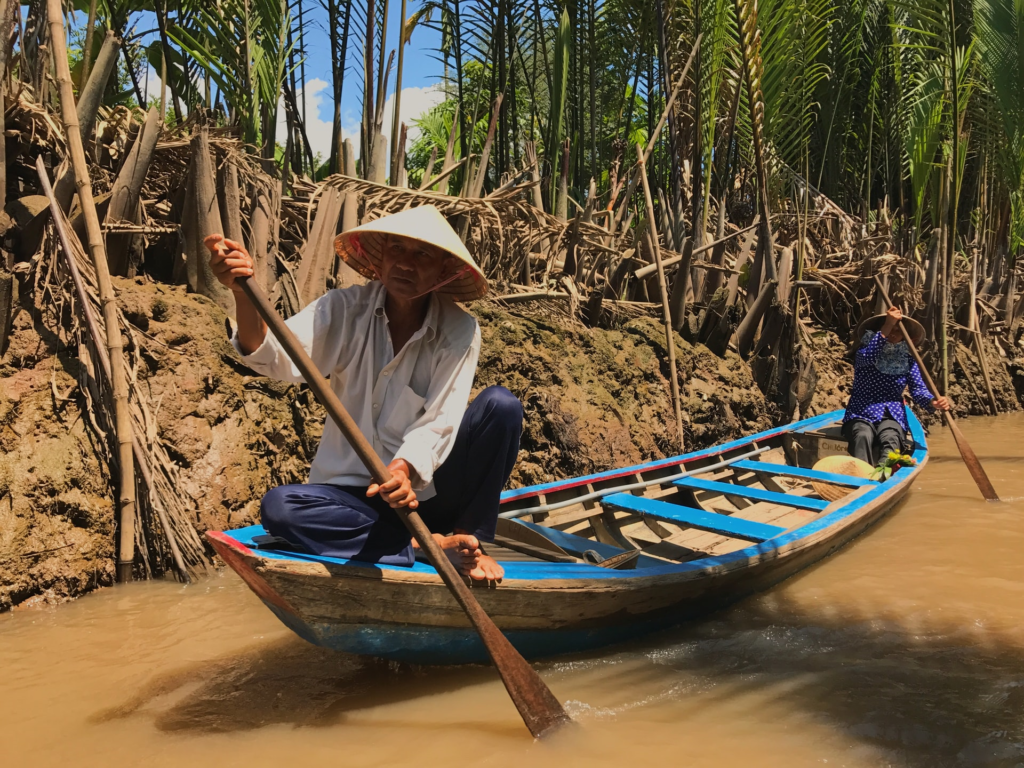
Erosion and Sedimentation http://www.waterencyclopedia.com/En-Ge/Erosion-and-Sedimentation.html Erosion in the context of soil and watershed conservation is the detachment and movement of soil particles by natural forces, primarily water and wind. More broadly, erosion is the process of wearing away rocks, geologic, and soil material via water, wind, or ice (e.g., glaciers). Erosion will transport materials after mechanical weathering has broken rock […]
(par 7.3.3) Erosion (taken from Wikipedia)
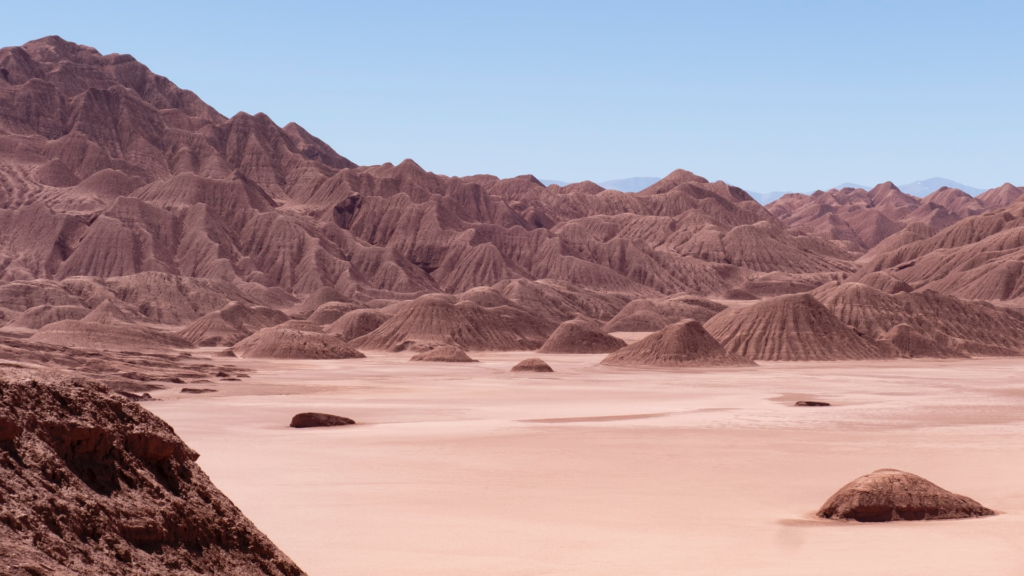
Erosion http://en.wikipedia.org/wiki/Soil_erosion From Wikipedia, the free encyclopedia An actively eroding rill on an intensively-farmed field in easternGermany In geomorphology and geology, erosion is the action of exogenic processes (such as water flow or wind) which remove soil and rock from one location on the Earth’s crust, then transport it to another location where it is deposited. Eroded sediment may be transported just a few millimetres, or for thousands of kilometres. While erosion is a natural process, human activities have increased […]