
(par 6.2.3 ) Cultural resources management
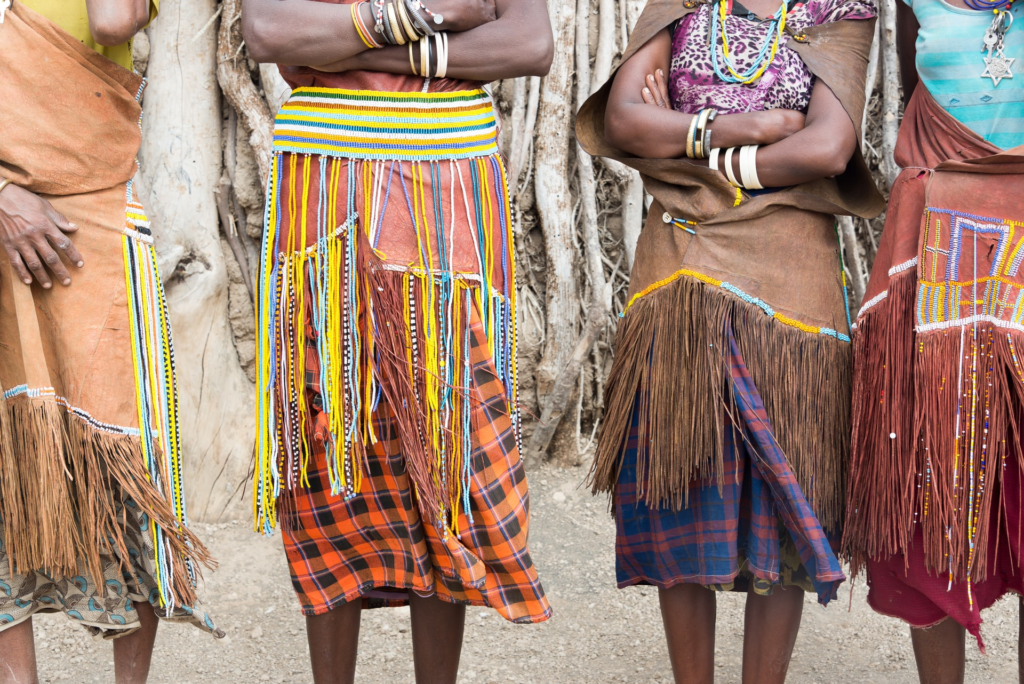
Cultural resources management https://en.wikipedia.org/wiki/Cultural_resources_management From Wikipedia, the free encyclopedia In the broadest sense, cultural resources management (CRM) is the vocation and practice of managing cultural resources, such as the arts andheritage. It incorporates Cultural Heritage Management which is concerned with traditional and historic culture. It also delves into the material culture ofarchaeology. Cultural resources management encompasses current culture, including progressive […]
(par 6.2.1) Biological Resource Use
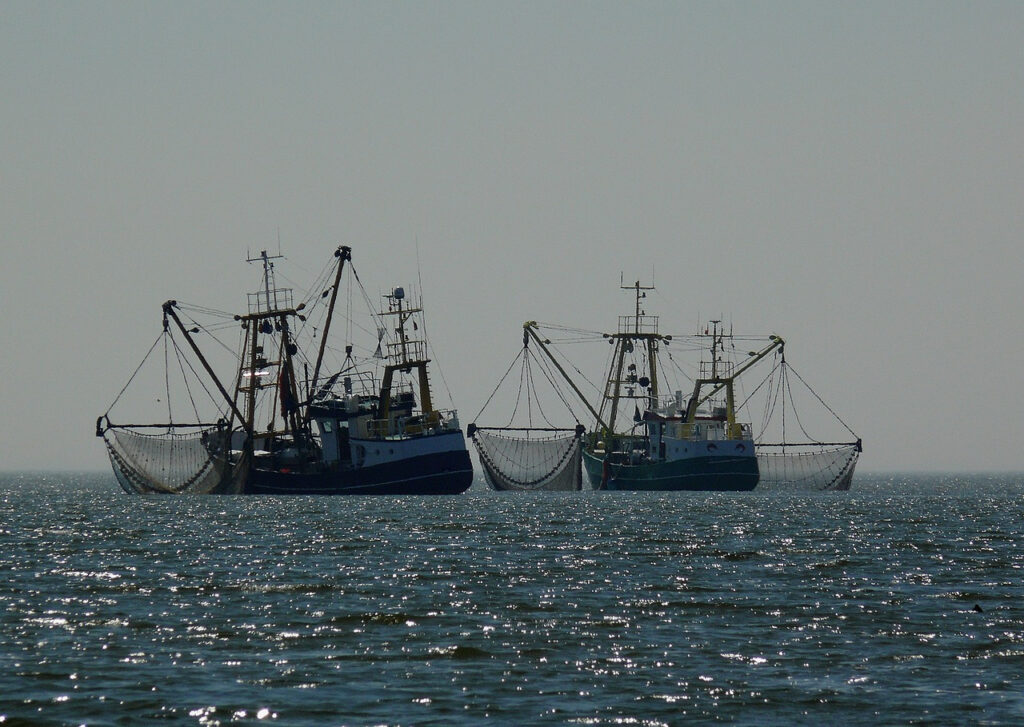
Biological Resource Use http://cmp-openstandards.org/using-os/tools/threats-taxonomy/5-biological-resource-use/ Definition: Threats from consumptive use of “wild” biological resources including both deliberate and unintentional harvesting effects; also persecution or control of specific species Exposition: Consumptive use means that the resource is removed from the system or destroyed – multiple people cannot use the same resource, as they could under 6. Human Intrusions & […]
(par 6.2.1) Renewable resources
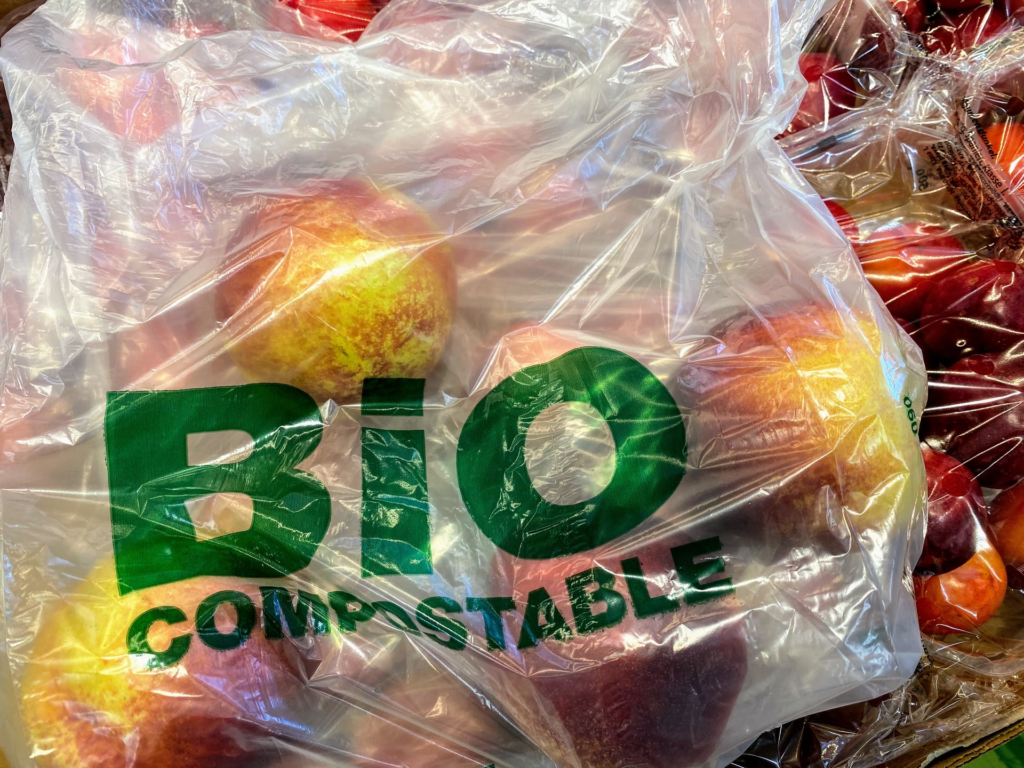
Renewable resources http://en.wikipedia.org/wiki/Renewable_resource From Wikipedia, the free encyclopedia Daneshill Energy Forest The UK’s largest plantation of Eucalypts, planted in 2005 by Nottinghamshire County Council. A renewable resource is an organic natural resources that can replenish in due timecompared to the usage, either through biological reproduction or other naturally recurring processes. Renewable resources are a part of Earth’s natural environment and […]