
(par 2.2.2. 1 ) Physiology: Plant growth and development

MG Manual Reference 4, Ch. 1, pp. 25 – 29 https://ag.arizona.edu/pubs/garden/mg/botany/physiology.html The three major plant functions that are the basics for plant growth and development are photosynthesis, respiration, and transpiration. PHOTOSYNTHESIS One of the major differences between plants and animals on earth is the ability of plants to internally manufacture their own food. To produce food for itself a […]
(par 2.2.2. 1 ) Importance of Vegetation

http://cnvc-cnvc.ca/view_article.cfm?id=181 Vegetation is a key component of an ecosystem and, as such, is involved in the regulation of various biogeochemical cycles, e.g., water, carbon, nitrogen. Vegetation converts solar energy into biomass and forms the base of all food chains. Vegetation influences the energy balance at the earth’s surface and within the atmospheric boundary layer, often […]
(par 2.2.2. 3. ) Plant litter (wikipedia)
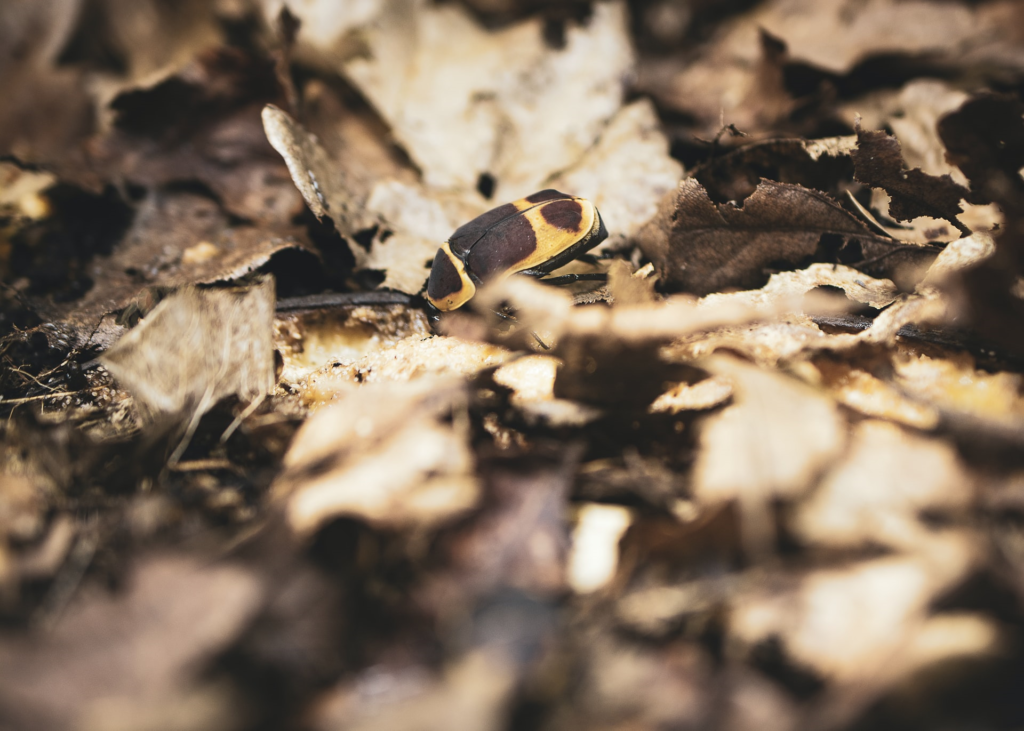
http://en.wikipedia.org/wiki/Plant_litter From Wikipedia, the free encyclopedia Leaf litter, mainly White Beech, Gmelinaleichhardtii, from Black Bulga State Conservation Area, NSW, Australia Litterfall, plant litter, leaf litter, tree litter, soil litter, or duff, is dead plant material, such as leaves, bark, needles, and twigs, that has fallen to the ground. This detritus or dead organic material and its constituent nutrients are added to the top layer of soil, commonly known as the […]